


Note: Special thanks to Plissken for the translated images of Septentrion: Out of the Blue. Restored cover art in the header by Pedro Soares.
When Human Entertainment pivoted away from sports games, they delivered some truly unforgettable adventure games, like Clock Tower (1995) and Mizzurna Falls (1998). Before either of those, there was Septentrion, or… sigh… “S.O.S.” as it was known in North America. That is the version I’ll mostly be providing images of.
Given how this game is presented as a film, you’d think the publisher would’ve let them keep a little artistic flair. No wonder it took so long for video games to be taken seriously.

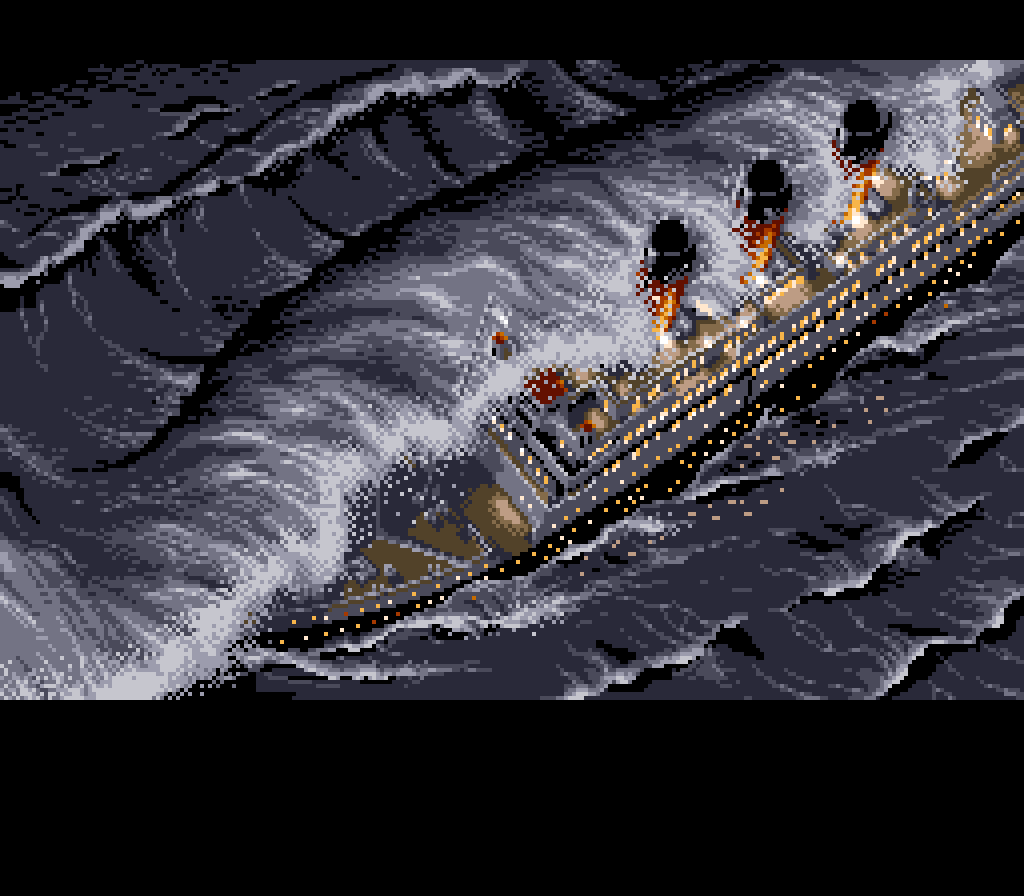
Septentrion is very much The Poseidon Adventure (1969) as a game. You’d be forgiven for thinking its author, Paul Gallico, was inspired by the RMS Titanic, but these incidents were unfortunately quite common. Paul was actually inspired by his own experience aboard the RMS Queen Mary, which came very close to capsizing.
Like that book and its real world inspiration, Septentrion‘s ship — the Lady Crithania — is hit by a rogue wave. You are given one hour to escape while it gradually turns over and sinks.
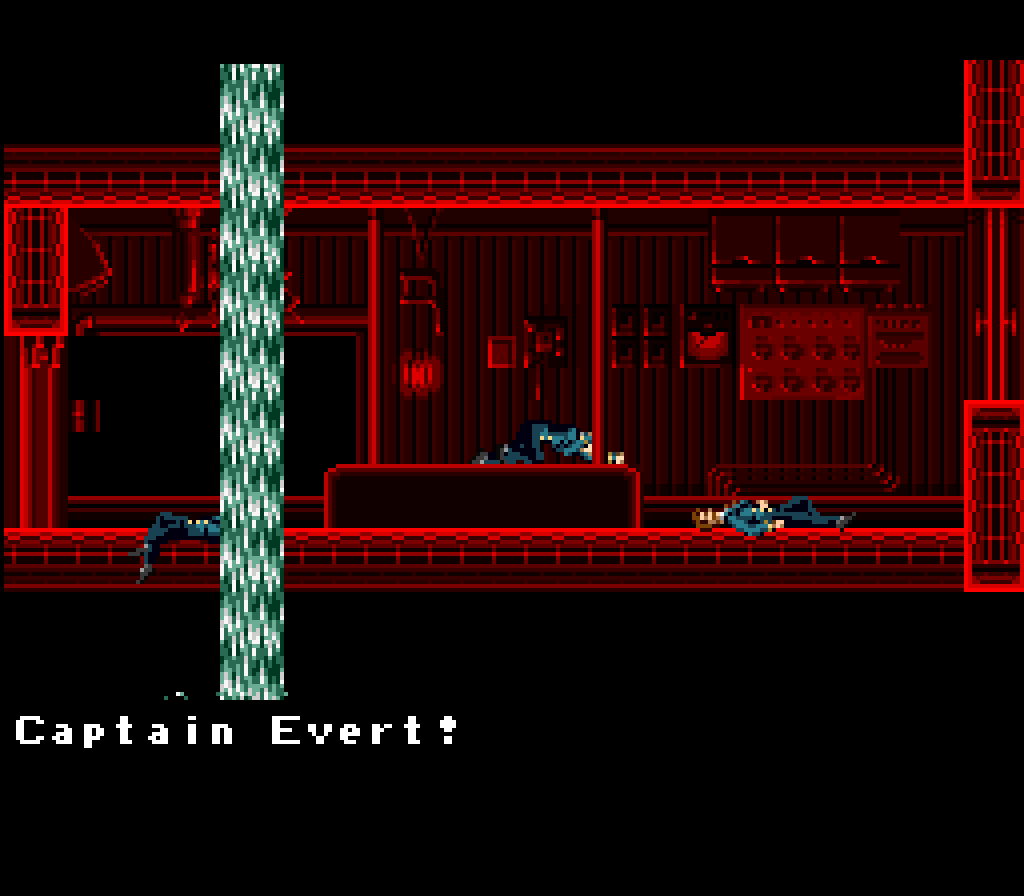
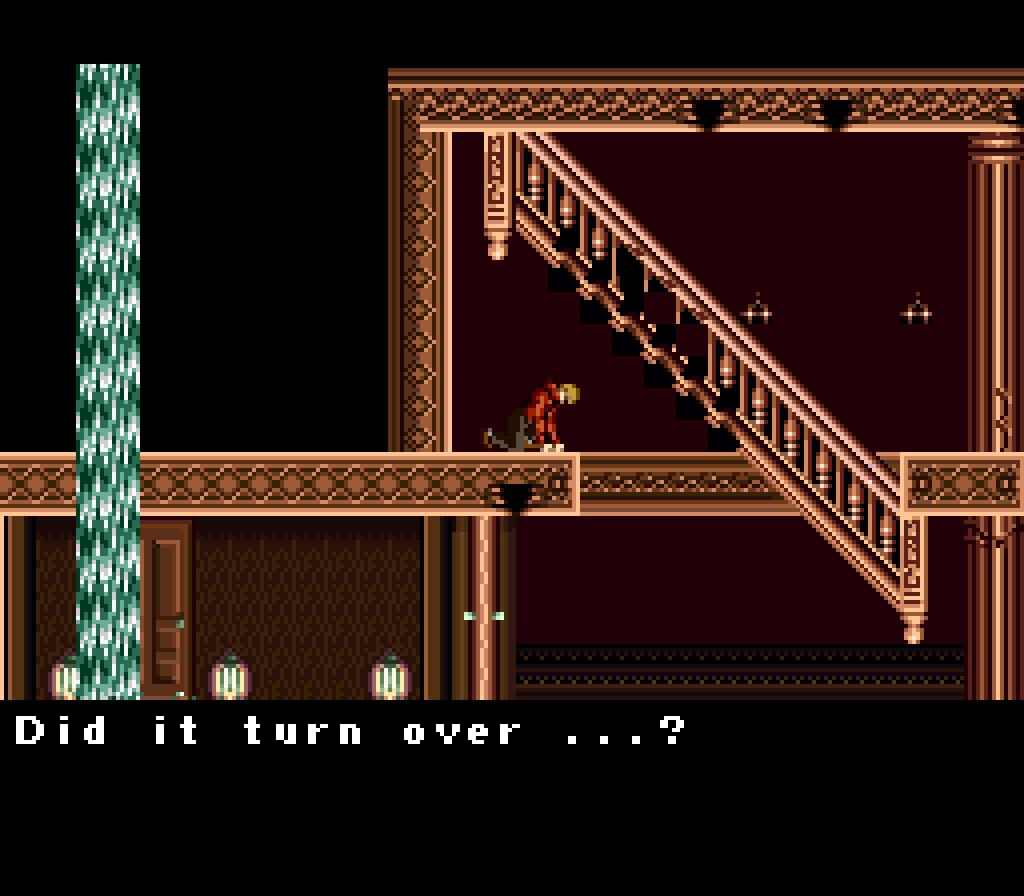

This is quite an ordeal already, but all four of Septentrion’s playable characters have their own must-save individuals to account for, which I’ll henceforth refer to as confidants.
- Caprice Wisher – A young man travelling with his sickly stepsister. Naturally, she is his confidant. Caprice is usually a woman’s name, which is probably why he’s called Capris in English.
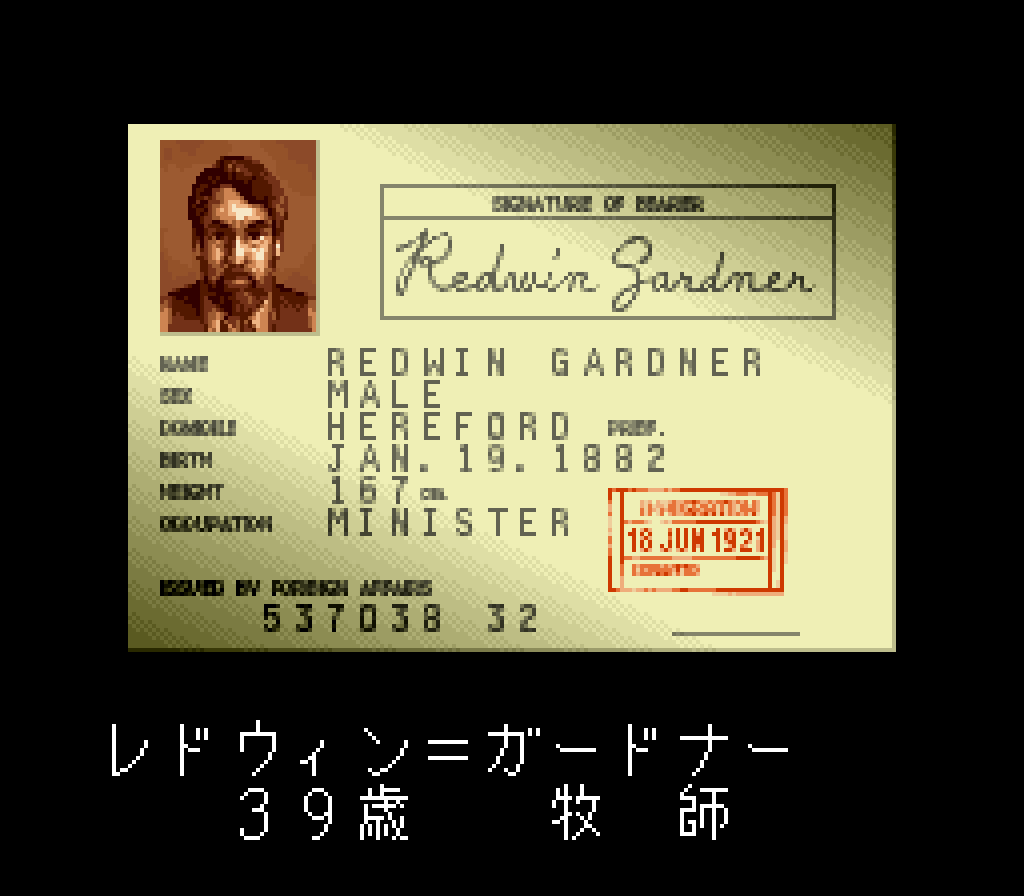
- Redwin Gardner – An alcoholic minister who befriends a mother and her two kids. He also learns that his own nephew is abroad. All but the mother are his confidants.
- Luke Haines – A crew member who must rescue the ship’s captain. He can always view the ship’s map and starts nearest to the exit, making him the easiest character to play.
- Jeffrey Howell – A doctor whose skills come very handy in a crisis. His confidant is his wife, who he is very much in love with. He’s only 54 but looks much older.



In addition to saving your confidants, you must also save a handful of others to get the best endings. Generally, children are worth the most points and crewmen are worth the least. It’s said that you need at least 25 points for the best ending. You can take up to seven followers and can’t dismiss them, but you can replace them if they die.
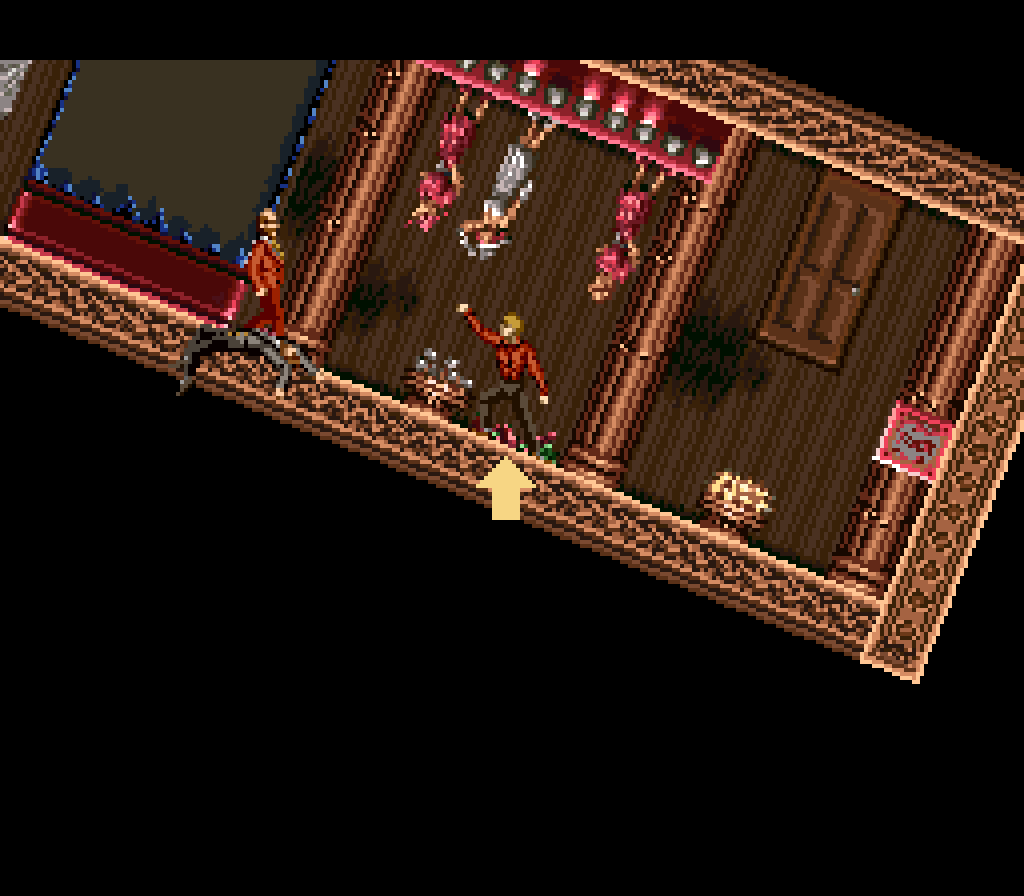

Guiding the survivors is a chore: you can beckon them to your position or make them mimic your movements, which you’ll be doing ad nauseum. They’re immune to fire and falling chairs but quite helpless when the ship turns. They will teleport to you when you injure yourself, which can be exploited to get them through hazardous areas.
Dealing with this is not nearly as frustrating as convincing some of them to join you in the first place. Most need to be helped out of a predicament, while some will refuse to depart without a particular person or keepsake.
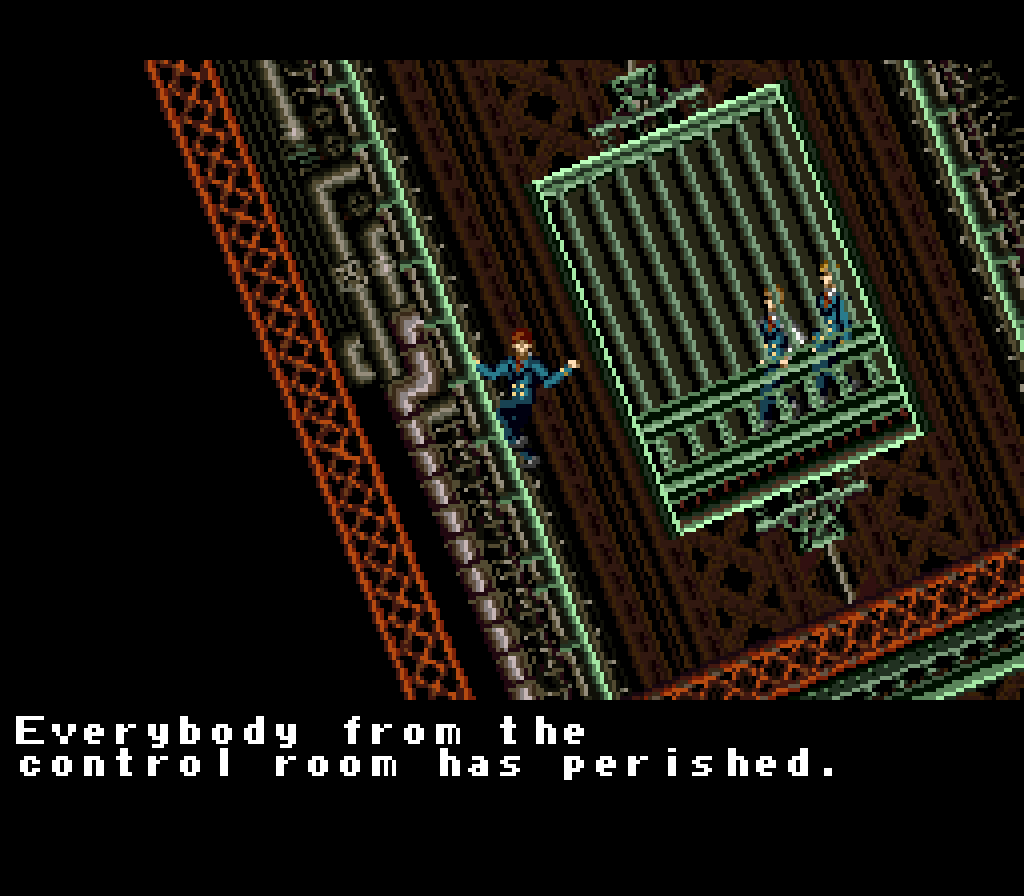

This is a platformer with somewhat grounded movement, but not nearly as much as a cinematic platformer. You’ll walk over any surface between up to 45 degrees, but any further than that and you’ll start to climb. Fully vertical surfaces are unclimbable without a ladder.
You can also swim in the ship’s sunken areas, but it’s rarely utilised, since water only starts seeping in towards the very end.


Rather than perishing — as would be the case if you fell several hundred meters — your character will simply faint for a spell. In fact, this is the only way to see exactly how much time remains, as you’re expected to otherwise observe the state of the ship. No such mercy for the survivors though: if they fall, that’s that.
Here’s a rough timeline of the game’s hour, based on my observations:
- You start on the upper floors and can explore freely.
- The wave arrives after five minutes, turning the ship 180 degrees.
- After ten minutes, the lights on the upper floors will turn off.
- The ship inclines towards a 45 degree angle in either direction at random intervals.
- Just shy of 30 minutes, an explosion in the boiler room will cause a severe 90 degree inclination.
- After 30 minutes, water begins to rise up from below. Flooded rooms are no longer accessible.


The ship’s only escape is through the large hole in the boiler room, which is barred by an engineer before it explodes. Climbing up the boiler once he’s gone will initiate the no-return escape sequence, a precision-platforming section where everyone must avoid fire and steam. My advice: use the teleporting trick.
The game does not end when the timer hits zero, instead letting you watch yourself drown. The timer represents the last possible moment to access the boiler room before it gets flooded, which renders the game unbeatable.

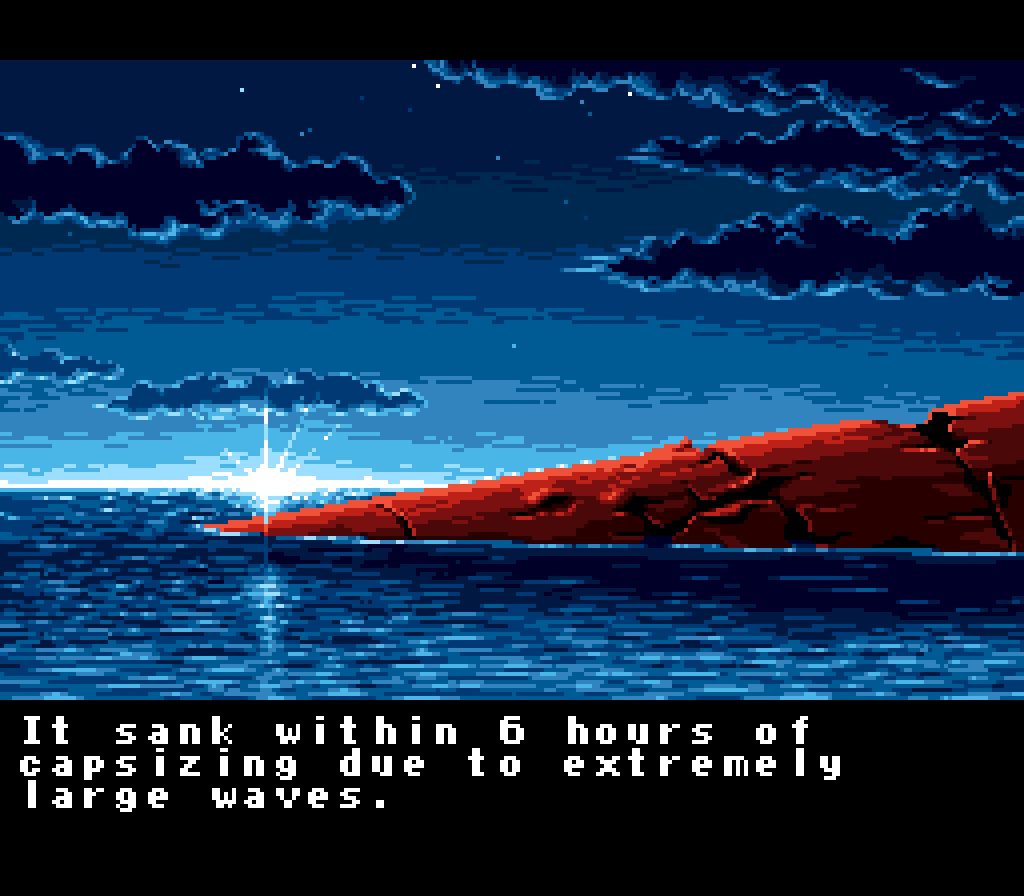
I’ve seen sources online claim that each character has two or three endings; they actually have five. I’m unsure of the conditions as the game is not transparent about them. Each ending has a short cutscene, an image of the ship, and in the best endings, a monologue and a photograph.
You will almost certainly fail your first survival attempts. This is the kind of game you try several times, optimising your route until you finally succeed. The time-gating is a bit awkward but presents a unique challenge. New players may be overwhelmed by the size of the map but it’s actually not very large — the maintenance areas are larger than the passenger areas, as is normal for a cruise ship,


Septentrion’s English release is serviceable but not great. Besides the terrible new name, it sanitised the game’s content (removing two survivors in the process), somehow made Luke able to save himself, and has awkwardly placed dialogue which can be hard to read. That said, the script is pretty good and has few grammatical errors.
The game has a lot of unused content under the hood. Removed animations suggest that you would have been able to tell survivors where to go, instead of always calling them to your position. Several characters have unused animations, including a full movement set for the engineer.

As remarkable as this all sounds, there isn’t much to see once you’ve completed one run. While every character does have multiple endings, they aren’t different enough to justify seeking. With a few exceptions, most survivors can be encountered by any character and the methods of persuading them rarely differ. This is something which a sequel could have improved on…
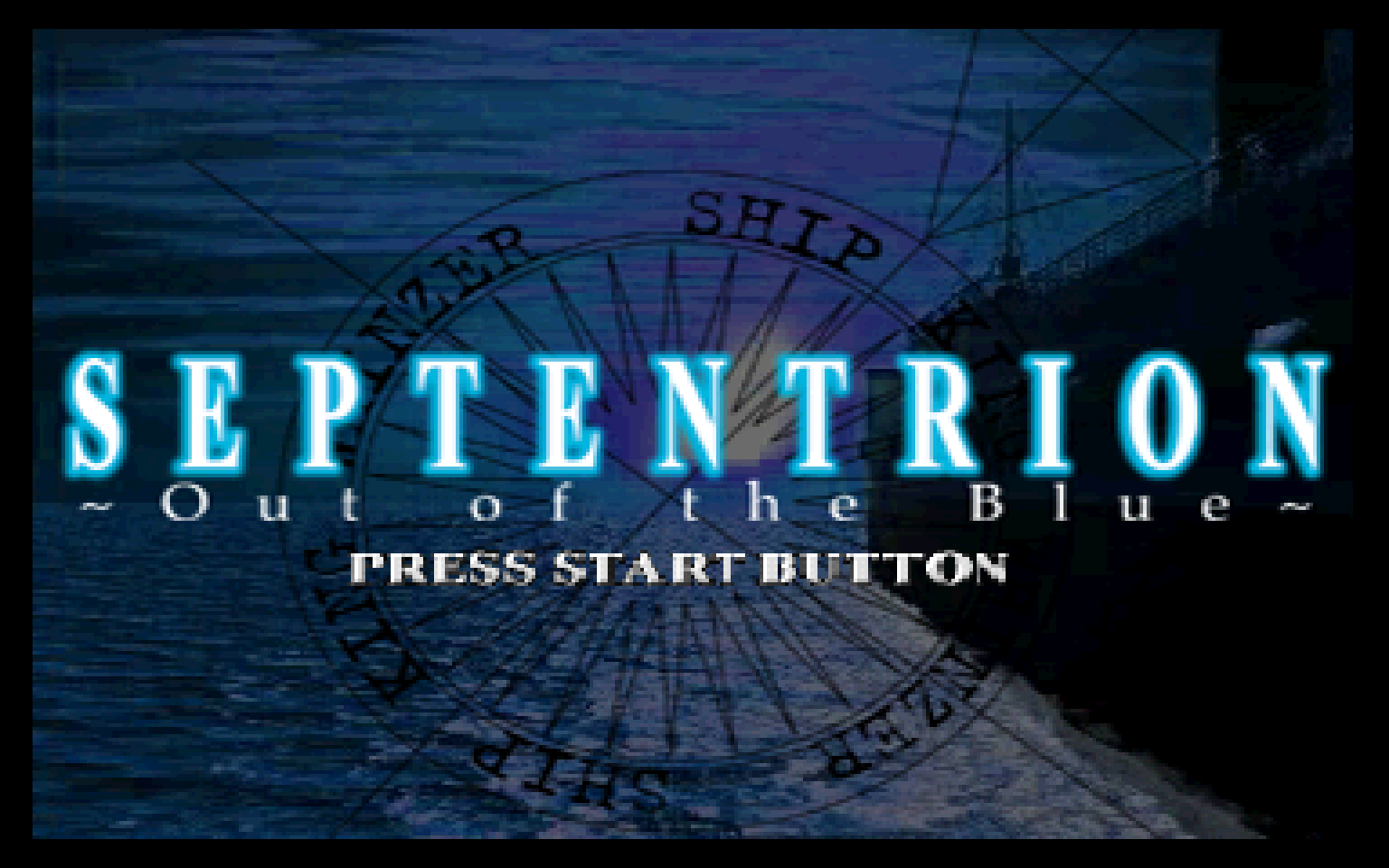

… but it didn’t. Septentrion: Out of the Blue (1999) received a fan translation earlier this year and I was delighted to be able to play it. Sadly, it loses much of what made the original so charming and doesn’t trade it for anything better.
Out of the Blue takes place several decades later aboard the King Windsor (hilariously misspelled “kingweenzer”). You only have one playable character this time: the ship’s always-smiling, unnamed navigator.


The 3D perspective definitely feels more cinematic, although it compromises in the gameplay department: gone are the extreme environmental changes, instead just tilting ever so slightly. There are “danger” moments where you must secure yourself or risk harm, a bit like Zettai Zetsumei Toshi (2002).
The timer is gone too; a choice perhaps made to accommodate its new cutscene-driven approach. It goes into some truly outlandish territory with a conspiracy plot that would feel at home in Resident Evil. That did come out the previous year, so maybe it was trying to capitalise on that. It would certainly explain the tank controls.

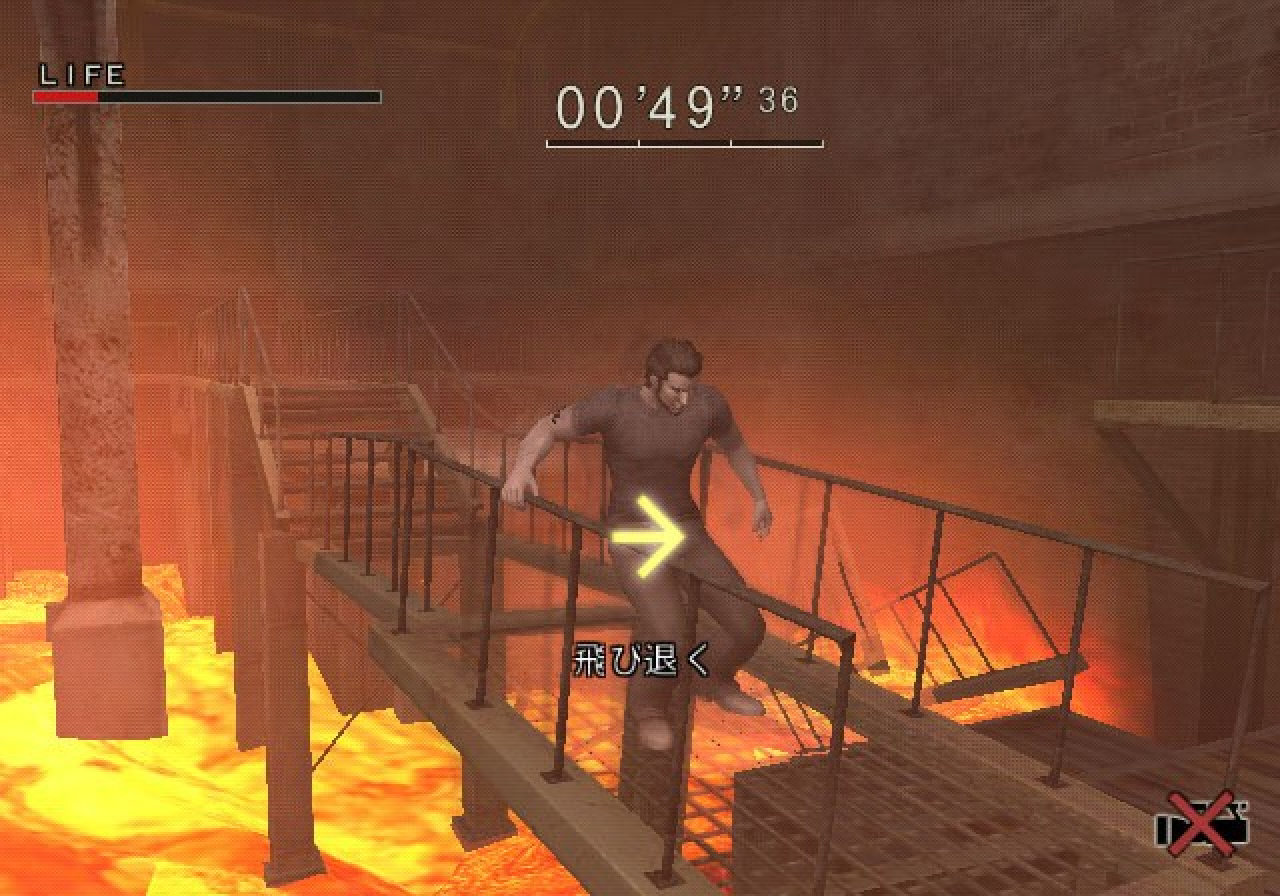
Only Irem seems to have noticed the potential in natural disaster games, creating the aforementioned Zettai Zetsumei Toshi series, also known as Disaster Report in North America or — are you kidding me? SOS: The Final Escape in Europe? Guys, enough!
There was also Disaster: Day of Crisis (2008) but this doesn’t bear much similarity. Seriously, what an underutilised genre! Wouldn’t it be cool to see games where you try to survive earthquakes, volcanos, tsunamis, blizzards or wildfires? Developers, please heed the call.
