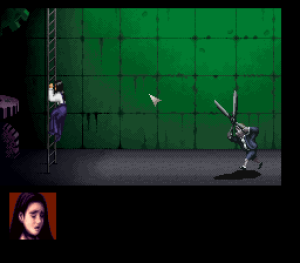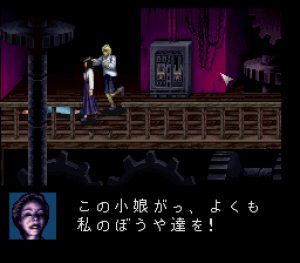

I’m a big fan of giallo. I’ve sought out Dario Argento’s autograph and my favourite of his films is Phenomena (1985). The soundtrack is phenomenal (ha ha). So, fittingly, a video game based on it would become one of my favourites.
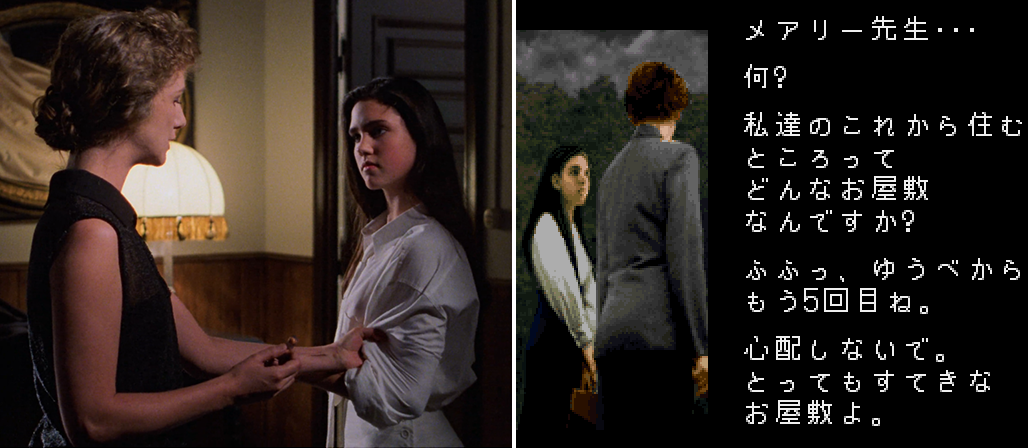
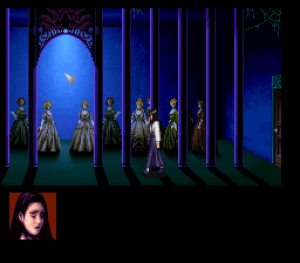
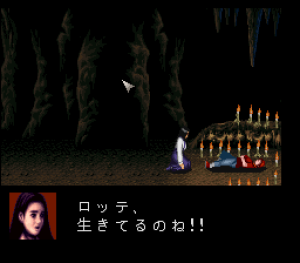
Clock Tower wears its inspiration on its long, billowing sleeves, and succeeds at capturing the aesthetic of Italian horror cinema: everything from its stylised colour palette to its obsession with texture. Playing this without any awareness of its admittedly predictable mechanisms leaves you with a very palpable sense of dread.
The story concerns a group of orphans adopted by a mysterious matron and taken to a mansion named the ‘Clock Tower’ after its… well, you know. The game is meant to be set in Norway but all of the characters’ names are distinctly British. The protagonist, Jennifer Simpson, should probably have been called Janne Simensen.
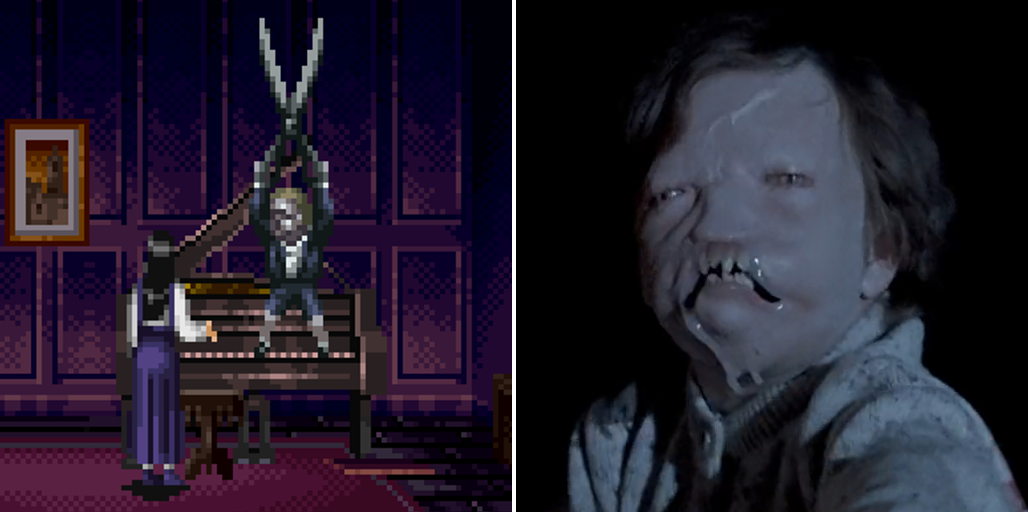
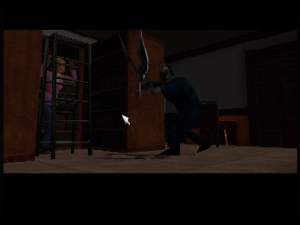
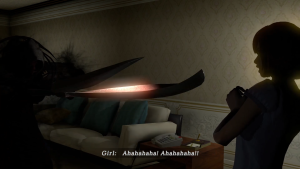
True to the simplicity of its console contemporaries, it takes little time before things go awry: everyone bar Jennifer disappears and she is immediately attacked by a deformed child with a giant pair of shears. This villain, Bobby Burroughs (or “Barrows” in some translations), is remarkably similar to Frau Brückner’s son, Patau, from Phenomena.
This is the game’s most compelling element and it was executed years before Frictional Games codified this kind of stealth-based gameplay. Bobby does not simply roam the halls — in fact, he doesn’t roam at all. Bobby can only be triggered by interacting with certain objects, prompting a clever scare and putting you into a pursuit mode, where you must find a similar trigger to deter him.
The game’s effectiveness dwindles once you’ve learned all of Bobby’s triggers. Unless prompted, you will only encounter him once or twice. This kills a lot of the game’s tension and it may have been remedied by adding a few more compulsory interactions. That said, the game does have a bit of replay value: it features nine endings and there are a few randomised room and item placements, but there is little to see once you’re done.
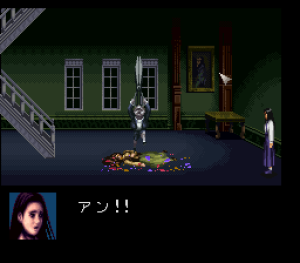
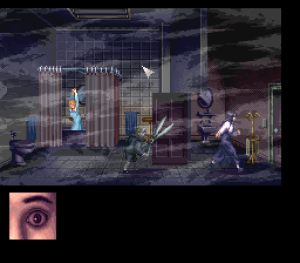
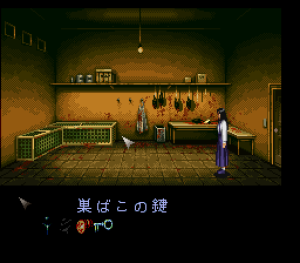
Japanese console adventures typically used menu-based interaction, so it was a curious decision to use a cursor-based interface. You would expect it to be a bit clunky with a Super Famicom controller, but it has a few conveniences to keep you sane: you can run in either direction by pressing the shoulder buttons, or access items by holding an inventory button. I couldn’t find a similar cursor-based game by Japanese developers, so I can only assume their inspiration came from Western games.
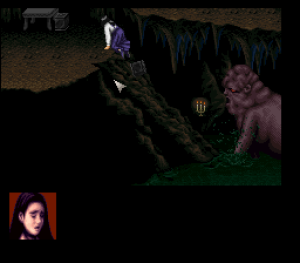
The game’s director, Hifumi Kono, claims to have been inspired by Alone in the Dark (1992), which certainly shows in its haunted house exploration and unexpectedness of certain encounters. Despite being fairly grounded until the final act, Clock Tower has a few explicitly paranormal moments, which thankfully come off as charming rather than breaking any thematic consistency. I doubt this would be as effective if the game were remade today.
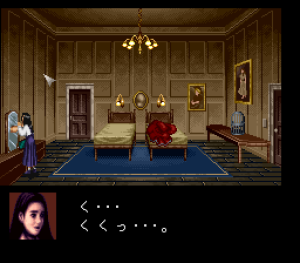
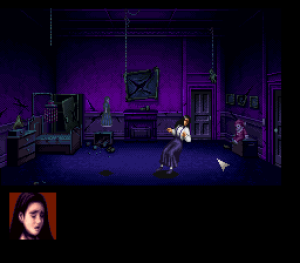
The first game saw a couple of ports, such as Clock Tower: The First Fear (1997) for the PlayStation, which added some unfinished content from the original Super Famicom version, and the monochrome Clock Tower for WonderSwan (1999).
While the game hasn’t been remade, it has been remastered by WayForward. I have a great deal of respect for them, but I felt that the anime-style cutscenes and clean English voiceovers of Clock Tower: Rewind (2024) clash too strongly with the giallo style that the game intended. Personally, I would’ve preferred to hear the voices in limited-fidelity analogue and ask them to lose that peculiar “anime voice” which is so common among American voice actors.
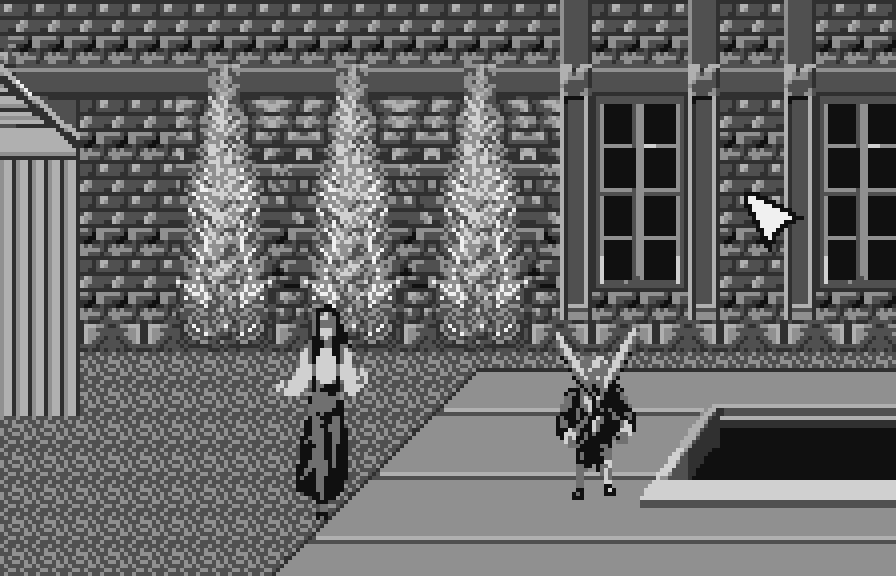
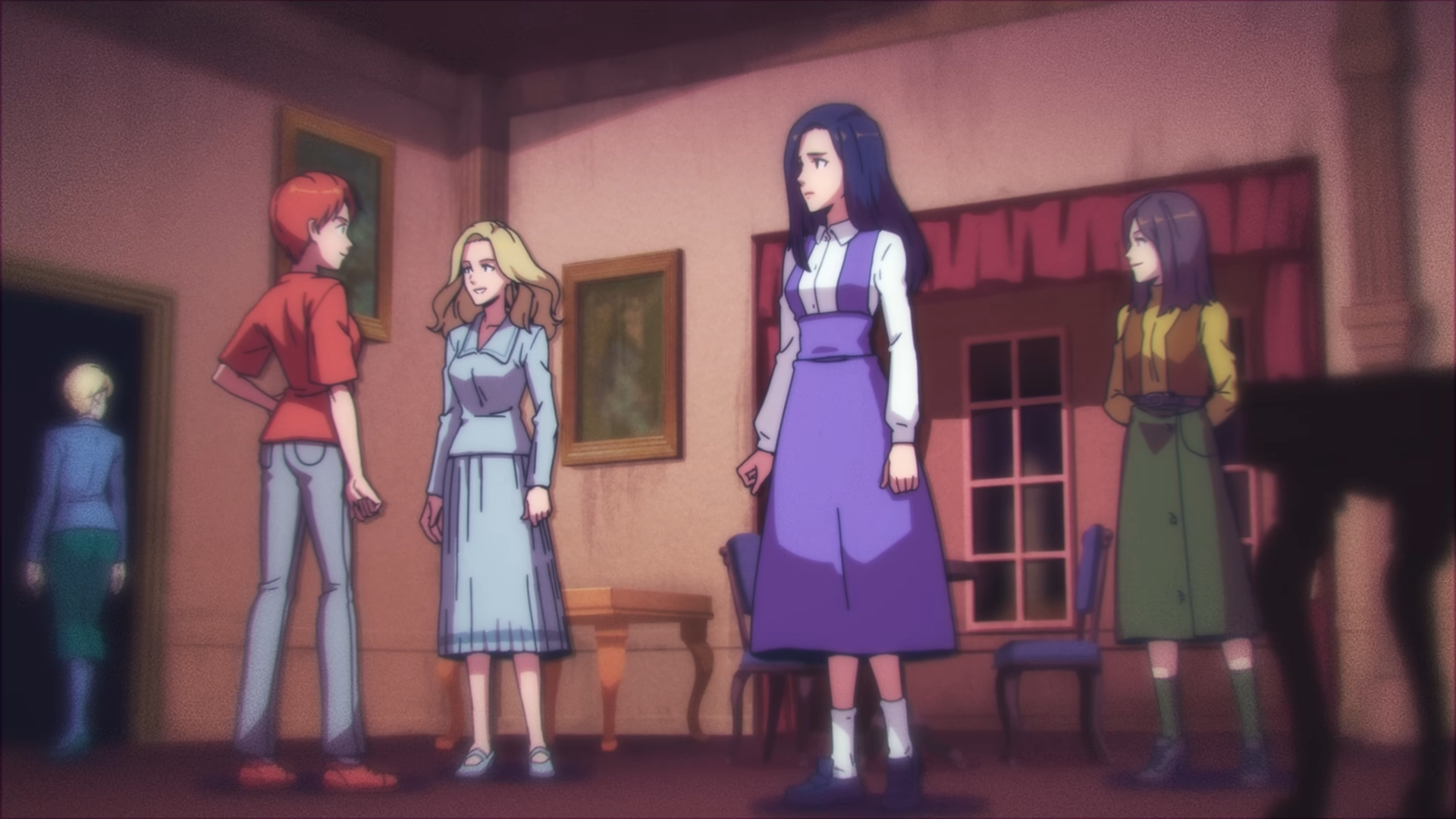
So where does Clock Tower succeed where its successors like Alien: Isolation (2014) fell short? I think it’s the “deliberateness”: each room is deliberately designed, its scares are deliberately tied to certain locations, and the angles in each location are deliberately chosen. There are very few recycled assets and Bobby not stalking the halls makes it feel less “gamey”. This was a smart decision, as repetition is the easiest way to ruin horror.
Indeed, your time with this game will be a brief one, but quality is not measured in seconds. Everyone knows the effectiveness of a short campfire story and Clock Tower doesn’t wear out its welcome. In the AAA gaming landscape, the inclusion of time-lengthening gameplay elements are antithetical to horror, which is why you’ll find the best of the genre in the realm of indie developers. Horror films are not different in that respect.
When I think about how to translate the short stories of M. R. James or John Wyndham into video games, Clock Tower immediately springs to mind, more so than games like Uninvited (1986) or Shadow of the Comet (1993). It’s a shame then that none of its sequels live up to it, with its immediate follow-up made a year later dropping the Italian horror style entirely, and having an overambitious, nonsensical story. This makes me think that Clock Tower’s success was a singular accident of vision… and if its ill-fated successor, NightCry (2016), is anything to go by, that seems accurate.
The most similar game in style and substance is Twilight Syndrome: Tansaku-hen (1996) and I would recommend this if you’re looking to scratch the same itch. Curiously, despite also being made by Human Entertainment, Twilight Syndrome does not share the same staff. While it hasn’t been released outside of Japan, some gamers may recognise it from its homage in Danganronpa 2: Goodbye Despair (2012).
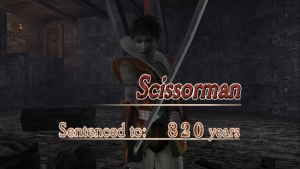
Hifumi Kono once described the villain’s choice of weapon as an intentional decision: most weapons function immediately but scissors close slowly, prolonging the pain. This is a lesson that I think future creators should remember: that effective horror lies in sustaining emotion, keeping the release always just out of reach.